
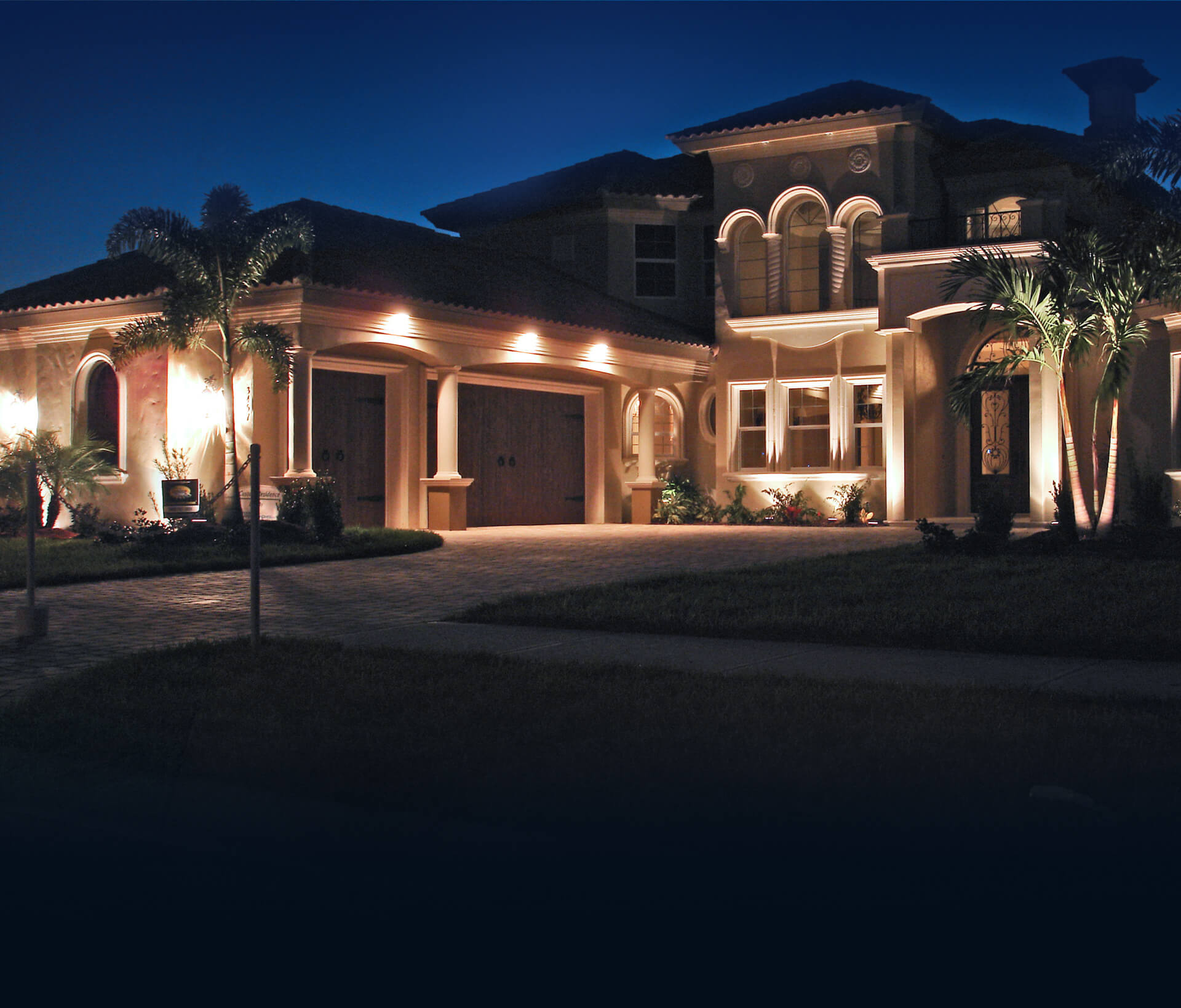


Outdoor Lighting Installation
in Charleston, SC
Professional landscape lighting Near You
Our team provides backyard lighting ideas that are out of this world! From special event lighting to holiday lights, we can do it all! If you have something special in mind we can bring it to life, or we can collaborate to create something together.
We provide lighting plans suited for every budget, so don't shy away from elevating your Charleston space to a degree your comfortable with.
Call Our Outdoor Lighting Company Today at (843) 874-6794 Or Schedule Your Landscape Lighting Installation Near You.
Lighting that lasts
We use only the best quality light bulbs that are designed to last 20,000 hours — and some of them even last 30,000 hours! So you don't need to worry about your lights fading out before their time.

Easy Outdoor Lighting installation
Installation is a breeze because our team takes cares of you every step of the way. Depending on the size the job, we can have your landscape lighting up in just a few hours! So if you were worried about a grueling process, that isn't the case with Outdoor Lighting Perspectives of Charleston. We get the job done quickly and efficiently!
Here's what you can expect from our lighting installation in Charleston, SC :
- Professional Installation: Our expert team is thoroughly trained and will meticulously handle every aspect of the installation process.
-
Attention to Detail: We pride ourselves on our attention to detail. From the perfect positioning of each LED fixture to ensuring that all wires are neatly buried or hidden, we've got it covered.
-
Efficient LED Fixtures: We use only high-quality, energy-efficient LED fixtures in our installations, combining performance with sustainability.
-
Clean Up: Once the installation is complete, we'll clean up and leave your property in better shape than when we found it. There will be no signs of work, just a beautifully lit landscape.
-
12 Months of Free Maintenance: To keep your system shining brightly, we include 12 months of free maintenance with every display we install. This ensures your lighting system will continue to function at its best, long after the installation.
Choose us for your landscape lighting needs and experience the difference of professional service and quality results!
Quality you can see
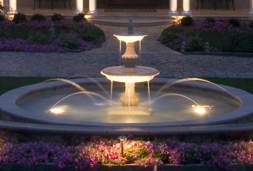
When it comes to quality, trustworthy outdoor lighting services in Charleston, there is one name that offers unrivaled services that wow and impress. Outdoor Lighting Perspectives® is here to help you transform your outdoor space. We use only the best materials and latest lighting technology so your outdoor project will look good and last for years to come!
Residential & Commercial Outdoor Lighting
We specialize in low-voltage, high-efficiency architectural and landscape lighting for both residential and commercial properties, including:
- Houses
- Restaurants
- Retail stores
- Hotels
- Resorts
- Event spaces
- And more
Backed by a name with over 20 years of experience, our expert designers will help you find the captivating lighting design that will perfectly fit your preferences. We are based out of North Charleston and service the greater Charleston area.
Elevate your exteriors with stunning lighting solutions! Call (843) 874-6794 or contact us online for Charleston Outdoor Lighting today!
Custom Outdoor Lighting Designs
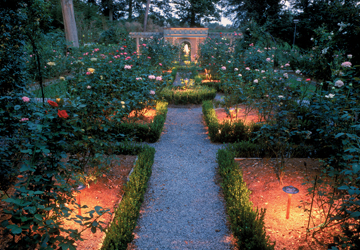
Whether you want to enhance your poolside with some evening lights or are looking to show off your landscaping with low-voltage LEDs after the sun goes down—or anything in between—Outdoor Lighting Perspectives of Charleston does it all.
Our most popular outdoor lighting services include:
Benefits of Outdoor Lighting
Here are the key benefits you'll enjoy when you invest in outdoor lighting:
-
Enhanced Aesthetics: With the right outdoor lights, you can highlight the architectural features of your home, display your beautiful garden even at night, and create a warm, inviting atmosphere for guests.
-
Increased Safety: Well-lit paths, steps, and entrances reduce the risk of trips or falls after dark, ensuring the safety of your family and visitors.
-
Improved Security: Outdoor lighting acts as a deterrent for potential intruders, making your home less attractive to burglars.
-
Extended Living Space: Outdoor lighting allows you to use your patio, deck, or backyard long after sunset, effectively extending your living space.
-
Boosted Property Value: An illuminated outdoor space not only looks appealing but also adds to your property's resale value.
The right outdoor lighting solution can truly revolutionize your space, making it safer, more beautiful, and more functional. Ready to light up your life? Contact our team at Outdoor Lighting Perspectives of Charleston to get started with our outdoor lighting near you!
Get Started with a Free Design Consultation
We understand that no two properties are the same, so no two lighting installations should be, either. That’s why we offer complimentary design consultations, where we’ll tour your property and discuss what you’re looking for.
Following our expert installation, we back our work with warranties and our Annual Maintenance Plan. Reach out to our Charleston lighting technicians today and allow us to show you what we can do.
Our Service Areas
- Folly Beach
- Pawley’s Island
- Seabrook Island South Carolina
- Myrtle Beach
- Isle of Palms
- Mt Pleasant
- Daniel Island
Call (843) 874-6794 or contact us online for outdoor lighting installation in Charleston, SC!





.2305150720544.webp "CHBA")