

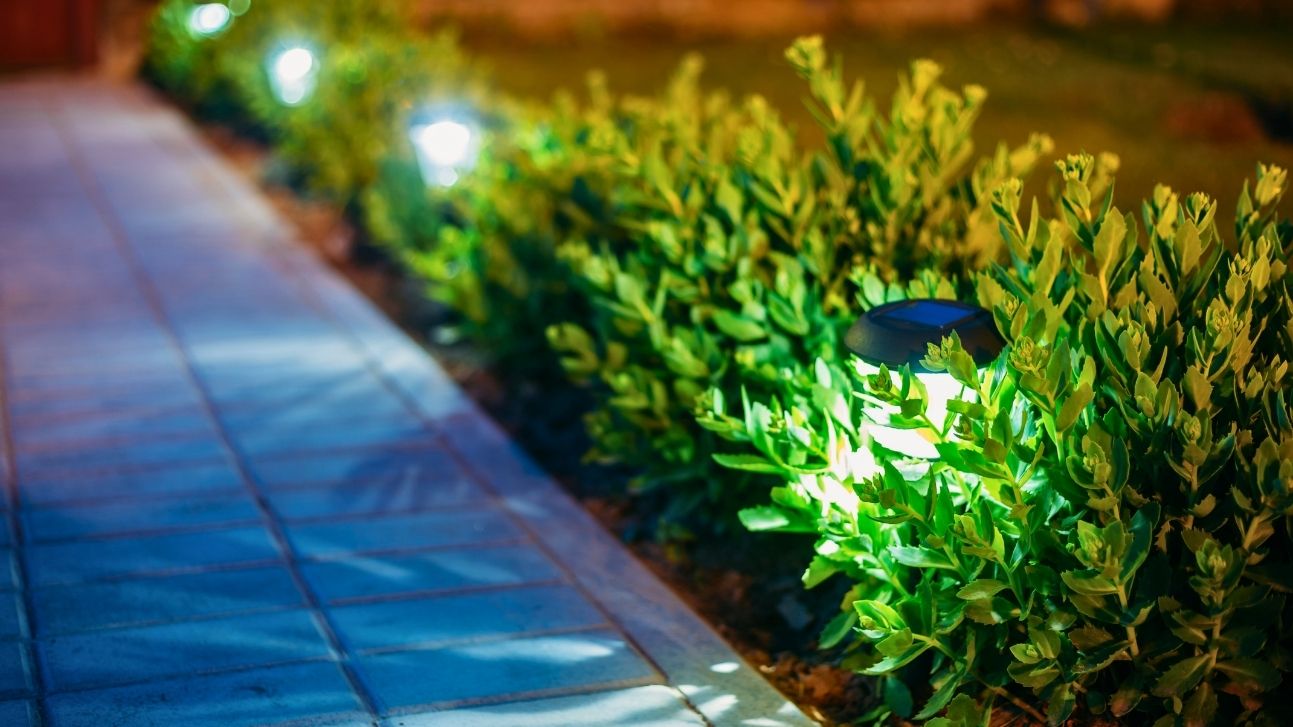
Are solar lights a viable landscape lighting option, or does the math not work out the way it looks on the box?
Solar outdoor lights are getting better with each passing year. The price is attractive and the idea of installing your own lights has serious appeal.
For Dayton homeowners thinking about landscape lighting, it’s worth asking the question directly: are solar lights a viable landscape lighting option, or does the math not work out the way it looks on the box?
Solar lights have narrow use cases where they make a lot of sense. But when it comes to bigger projects, they tend to quietly disappoint. So to help you figure out what’s right for your situation, we’re going to break down solar vs. LED landscape lighting so you can imagine what the difference will be like in practice.
Solar Lights Need the Sun, Which You Can’t Always Rely on for Dayton Landscape Lighting
Solar lights are only as good as the last sunny day. And in Dayton, sunny days aren't guaranteed. Southwest Ohio averages around 155 cloudy days per year, which means your solar lights are going to spend a lot of time not charging.
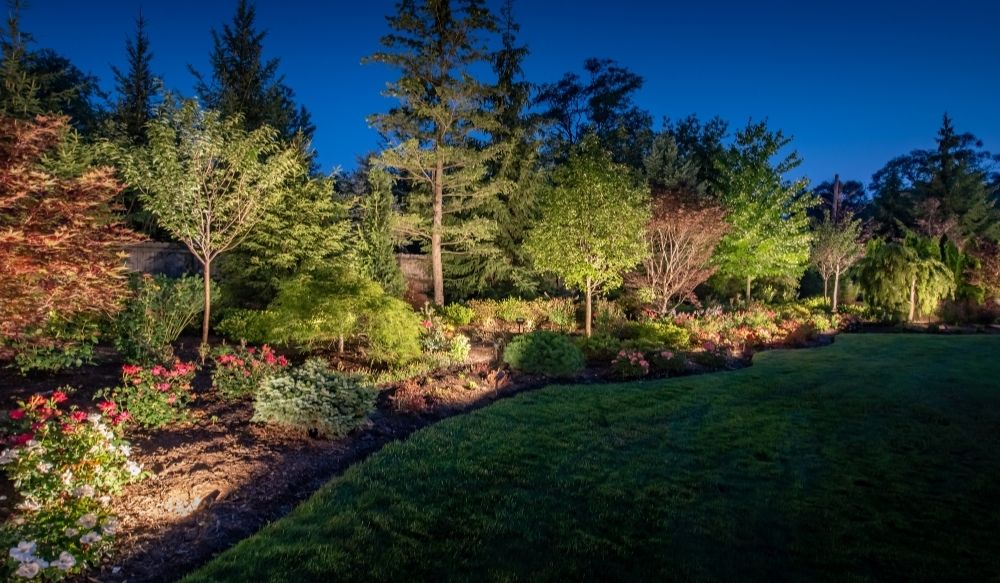
This is the main problem with solar outdoor lights in a Midwest climate. Homeowners with solar lights find that they often work well in July, but fade out by October. And that makes them far from ideal when you consider that the months with fewer sunlight hours are the ones you need light the most.
Why Do Solar Lights Stop Working?
When solar lights stop working, you can usually blame one of three culprits.
First is the battery degrading. Most solar lights use small lithium or NiMH batteries that lose capacity after 500–1,000 charges. Since batteries charge each day, that means it only takes 18 months to 3 years before performance starts to drop off—faster than most cell phones. Finding compatible replacement batteries is often hard to do, if possible at all.
Solar panels also get dirty thanks to dust, pollen, and hard water. This can reduce charging efficiency over time. This might sound like a marginal concern, but even a light film can cut output by 30 percent. That can really hurt when paired with the third problem, discussed earlier, which is simple lack of sunlight.
The Brightness Gap Between Solar and LED Outdoor Lights
For safety and security purposes, this one matters a lot. LED outdoor lighting is considerably more consistent. When it comes to safety and security, you need a steady lumen output for lights that stay as bright as you need them to be. The best way to make this happen is to have LED lights installed by a COLT-certified technician, so you can count on your lights to be as bright as they need to be, day after day.
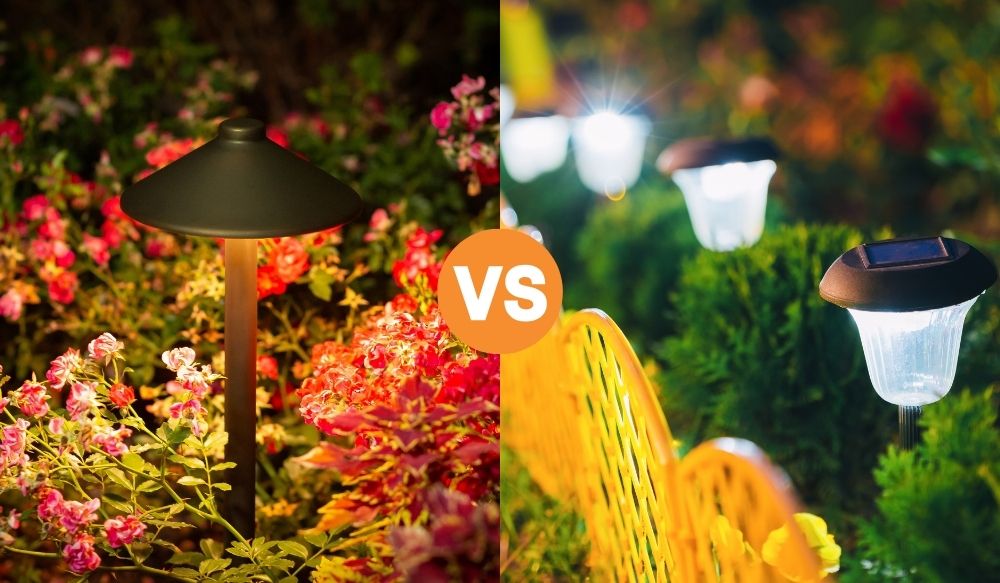
But with solar, you can’t rely on that happening. Output varies with charge level, which varies with sun exposure, the season, and the weather. A pathway that’s adequately lit in August may be genuinely dim by January. For Dayton landscape lights to illuminate steps, edges, and entry points (all places where steady visibility matters a lot), that kind of variability is a real liability.
The Hidden Cost of Solar Landscape Lights
Solar looks cheaper upfront. But over the lifespan, solar lights tend to break down quickly. The lights themselves only last two to five years before their batteries degrade to the point of replacement.
Professional-grade LED systems using quality fixtures of solid brass and copper regularly exceed ten to twenty years. Over a twenty-year window, a homeowner who replaces solar stake lights every three years has spent more than someone who invested in a professional LED installation upfront, and has less to show for it.
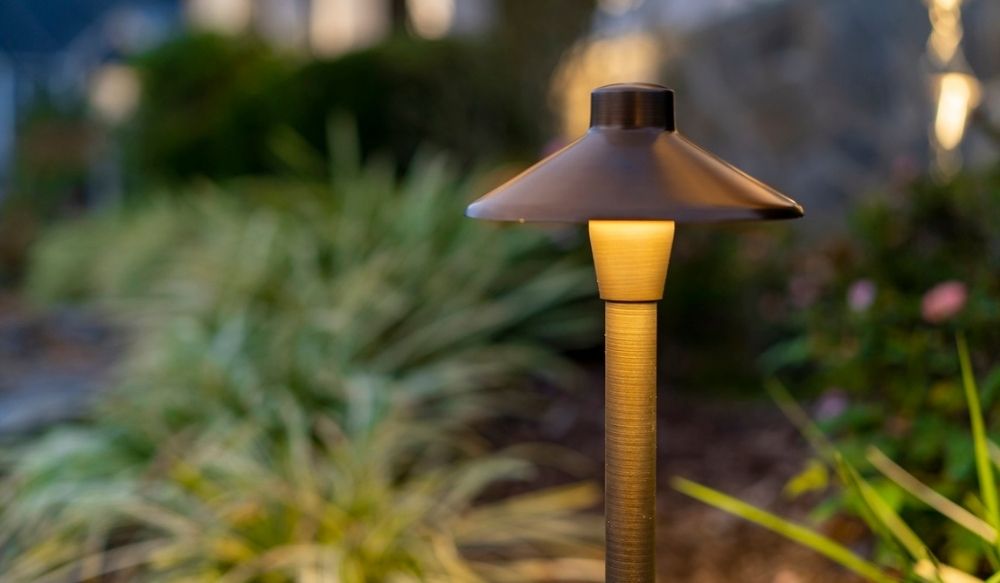
What Smart Landscape Lighting for Dayton Looks Like
Solar lights basically have two settings: on and off. Modern LED systems go beyond that. You can set automatic schedules that follow the sunset and tie lights to motion sensors. Lights can be arranged in zones that you can switch on or off from your phone, from anywhere at any time.
Solar stakes are fine if you just need a cheap, dim glow for a back shed. But for security or style, it’s hard to beat professionally installed LEDs.
If this sounds like something you’re interested in, a complimentary design consultation is a great place to start. As part of this, a member of the Outdoor Lighting Perspectives team can visit your property, explain what’s possible, and even demonstrate what a professional system looks like after dark.
Call Outdoor Lighting Perspectives for outdoor lighting companies near me.
For experts in outdoor lighting design, installation, and maintenance, call one of the most trusted names in the business. Outdoor Lighting Perspectives is eager to speak with you. Call us today at (937) 421-8101.