

Take a walk around your yard tonight after the sun goes down and pay attention to what you see. A few of your outdoor lighting fixtures are probably dimmer than the rest, one might have gone out completely, and honestly the whole design may look a little older than you remember it being. That is not really in your head. Traditional outdoor lighting bulbs fade a bit each season, housings fog up, wiring gets old, and none of it happens fast enough to notice day to day. Usually, it takes a neighbor putting in something new before the difference really jumps out at you.
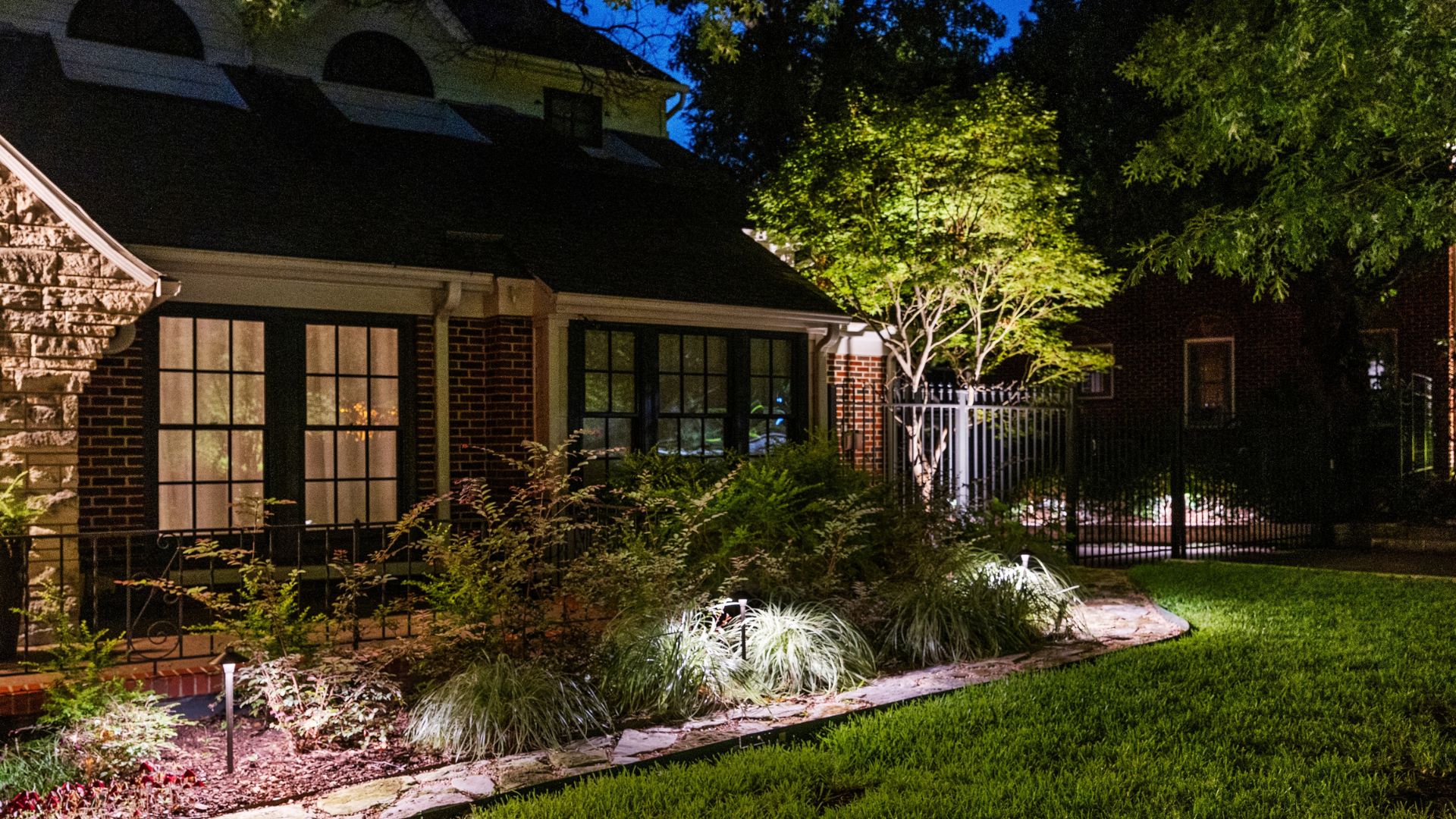
If your system was installed eight, ten, maybe even fifteen years back, odds are good it is still running on halogen, which was just what everyone used at the time. Halogen bulbs run hot and burn out quick, and they eat more electricity than people expect until they see it side-by-side with LED. Below is what changes once you make that switch, plus, a few things we would tell you to think about before you commit to anything.
The Signs Your System Is Ready to Retire
You do not need an electrician to tell you your lighting has seen better days. A few things usually give it away.
Bulbs that used to last a couple of years are suddenly dying every few months. Fixtures have gone cloudy or cracked, or worse, you find a little pool of water sitting inside the housing after a hard rain. One side of the driveway is glowing yellow, and the other side might as well not have a fixture at all. Your power bill went up, and you cannot point to why. Or maybe nobody has touched the transformer for a long period of time.
None of this means your yard is unfixable. It just means it is time.
What Really Changes When You Switch to LED?
Let's start with money, because that is usually what people care about first, even if they will not say so out loud on the first phone call.
LED fixtures use dramatically less electricity to put out the same amount of light as halogen, somewhere in the range of 75% to 85% less depending on the fixtures involved. If you have a dozen lights running from dusk to midnight every single night, that difference shows up on your bill fast. Not in some vague "you will save money eventually" way. Within a few months, usually.
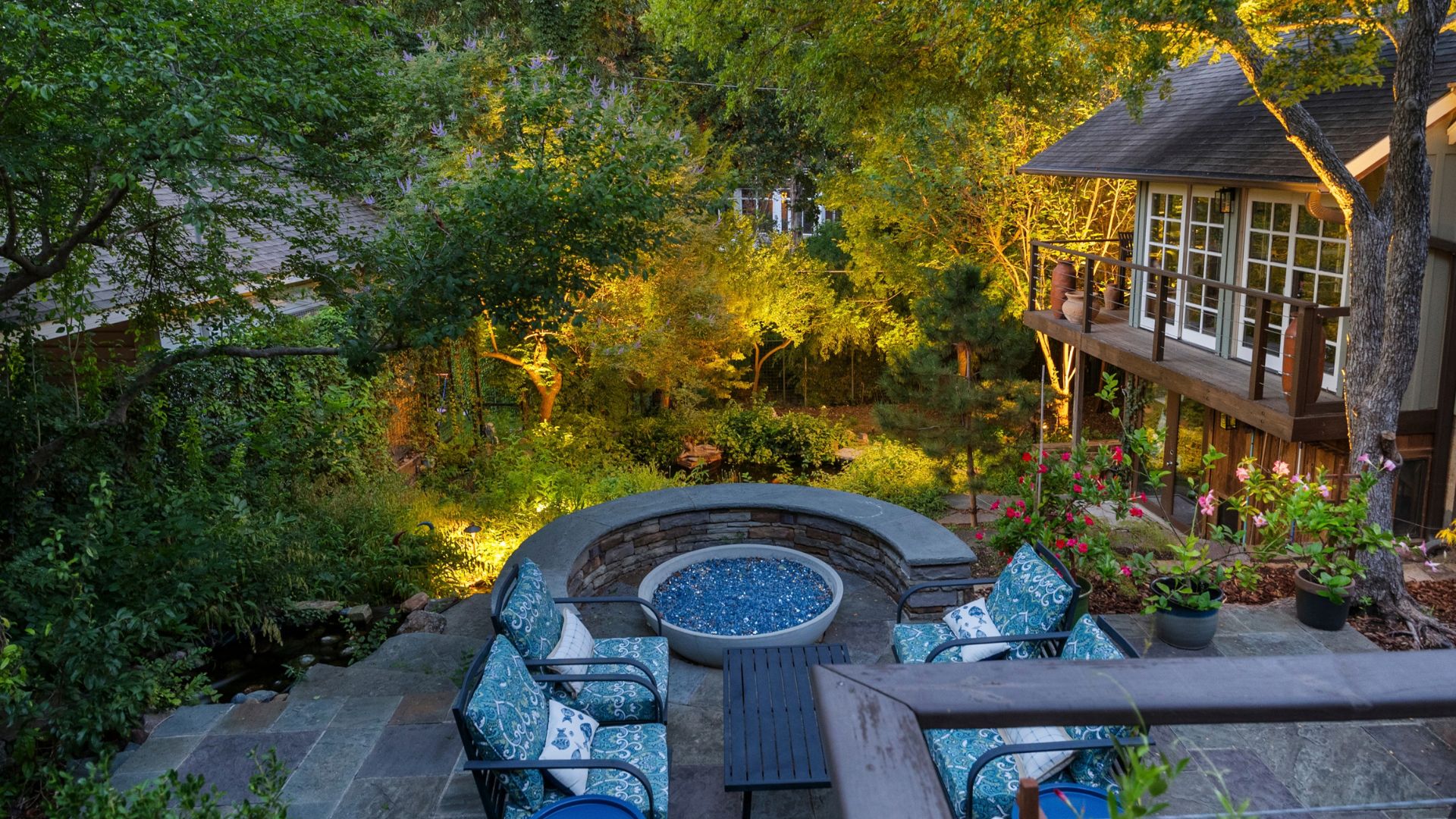
Then there is longevity. Halogen bulbs, especially near the lake where humidity does not do anyone any favors, might get you a year if you are lucky. LED bulbs are typically rated for 30,000 hours or more, and plenty go well past 50,000. Do the math on that and you are looking at a decade, sometimes two, before you think about a bulb again. That means no more ladders every spring. No more calling someone out for a five-minute fix that somehow takes half your Saturday.
Run the numbers on a typical setup and it gets pretty compelling fast. Take a twenty-light halogen system: switching it to LED will usually save somewhere around $15 to $20 a month just on electricity. That number alone is nice, but it is not really the whole story. A halogen system that size also needs bulbs replaced every one to two years, and each of those replacements means a ladder, a trip to the store, or someone else's truck pulling into your driveway. Factor that in and the math swings even further in LED's favor. Honestly, for a lot of homeowners the bigger win is not even the dollar amount. It is getting that time and mental energy back, not thinking about the lighting at all.
Costs comes up in almost every conversation we have, and it is a fair thing to bring up since LED bulbs and fixtures do tend to run more than halogen at the register, we are not going to pretend they do not. Where it evens out is the math over time, since something that lasts thirty times longer and burns a fraction of the power ends up paying for itself, usually faster than people expect. Most homeowners we work with see that happen well within the first year, sometimes sooner if their old system was running a lot of fixtures to begin with.
What About the Light Itself?
Early LED had a real reputation problem here, and honestly it was deserved. Ten or fifteen years ago a lot of LED landscape lighting came out too blue, almost clinical looking, nothing like the warm porch light glow people wanted. That complaint has mostly disappeared. Color temperature on modern LED fixtures can be dialed in to match that same soft, warm tone people associate with halogen, and a lot of systems now come with dimming or phone app control built right into the fixture. You can brighten things up for a party or dim everything down for a quiet Tuesday night without touching a single bulb.
There is also a safety and security angle worth mentioning, since it comes up in almost every consultation we do. A dark corner near an entryway, or a driveway that goes pitch black halfway up the slope, is not just annoying to walk through, it is a genuine trip hazard. Even, reliable lighting fixes that. It also tends to make a property look occupied and cared for, which is its own kind of deterrent. Nobody looking for an easy target picks the house that is lit up like it knows exactly what it is doing.
The Fire Risk That Comes With an Aging System
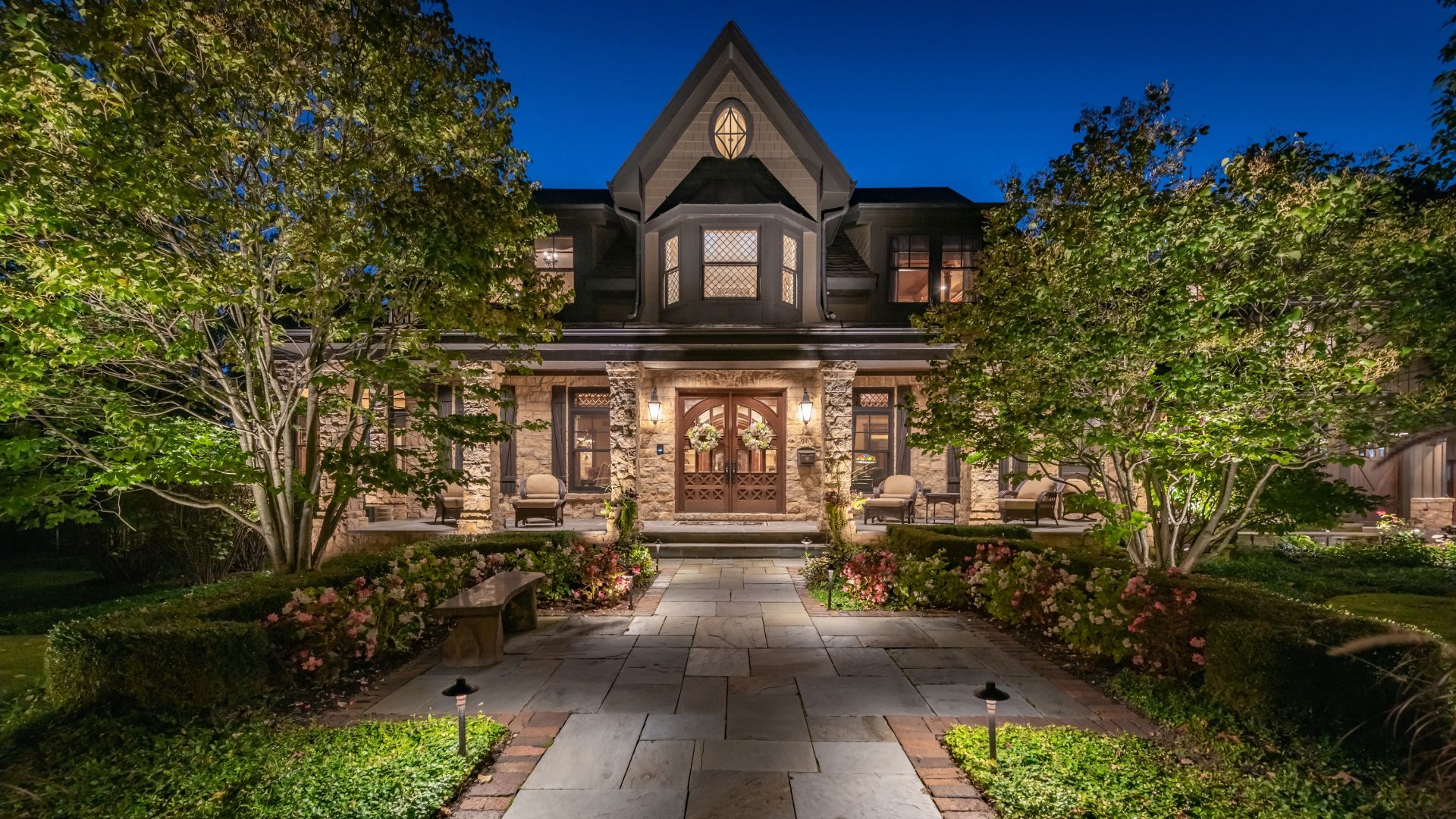
There is also a piece of this that has nothing to do with how the yard looks, and it is worth taking seriously. Transformers age, and depending on the technology inside yours, it can become a genuine fire risk in as little as five years. A connection that has worked loose, a breaker that is starting to fail, corrosion inside the housing, even a small nest tucked in where it should not be, any of that can quietly generate heat or create a short you would never notice until it was already a problem.
That also means an aging transformer usually is not a great match for new LED bulbs. At best it shortens the life of the bulbs you just paid for. At worst, it adds to a fire risk that was already sitting there. A properly built LED system runs on low voltage instead of line voltage, so beyond the lower power bill, you are also running something that is inherently safer to have outside your home every night. It is a big part of why we would tell you to bring in someone who actually understands these systems rather than handling it yourself. It is not only about how the property looks after dark. It is about knowing what is happening behind the fixture too.
Do You Have to Tear Everything Out?
This is probably the question we receive the most on a first call, and most people are relieved to hear the answer is not always.
In a lot of cases around Cornelius and the rest of the Lake Norman area, an existing halogen system can be retrofitted with LED bulbs and drivers instead of ripping the whole thing out. Wiring, fixture housings, sometimes even the transformer, quite a bit of it can often stick around. It is not a universal fix, some older components just do not play well with LED without adjustments, which is exactly why we would not recommend a full DIY bulb swap here. Have someone who really knows the system look at it first. Guessing your way through a retrofit tends to cost more in the long run than just doing it right the first time.
Our Recommendations If You Are Ready to Upgrade
A few things tend to separate homeowners who love their new lighting five years later from the ones who wish they had done a little more homework first.
Fixture quality is one of them, and it is easy to overlook when you are just comparing price tags. Thin metal housings might look fine at first but give it a season or two near real humidity and they start corroding, and that clock moves faster than usual when you are this close to a lake. Brass and copper cost more up front. They also age into a patina instead of turning to rust, and most people end up liking the look of that more anyway.
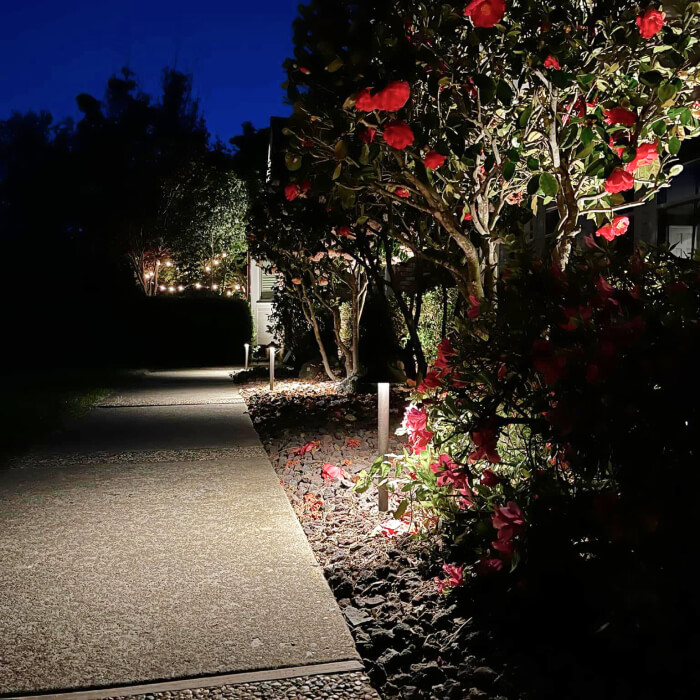
We would also steer you away from just swapping bulbs into the fixture spots you already have. It helps a little, sure, but most of the time the real problem was never the bulb, it was that the lighting was never designed around the property to begin with. A layout that really accounts for your trees, your walkways, any water features, and the shape of your home tends to age a lot better than a quick bulb for bulb swap.
Warranty coverage is worth asking about too, before anything gets signed, since fixtures near the water take more of a beating than average and you do not want to find out what is not covered two years in. And if you are someone who hosts a lot or goes all out for the holidays, it is worth building smart controls into the system from the beginning rather than trying to add them on afterward, since that tends to cost more and work less smoothly.
One last thing - do not assume a full replacement is your only option here. Ask specifically whether your current system can be retrofitted before you plan around tearing it all out, since that alone can change the budget quite a bit.
Ready to See What This Would Look Like on Your Property
Nobody wakes up one day and decides their outdoor lighting has gone bad overnight. It just slips a little at a time, until eventually the difference is too big to explain away. Whether the fix is a full redesign or just retrofitting what is already out there, going LED means a system that costs less to run, does not demand constant upkeep, and frankly makes the place look like someone is still paying attention after dark.
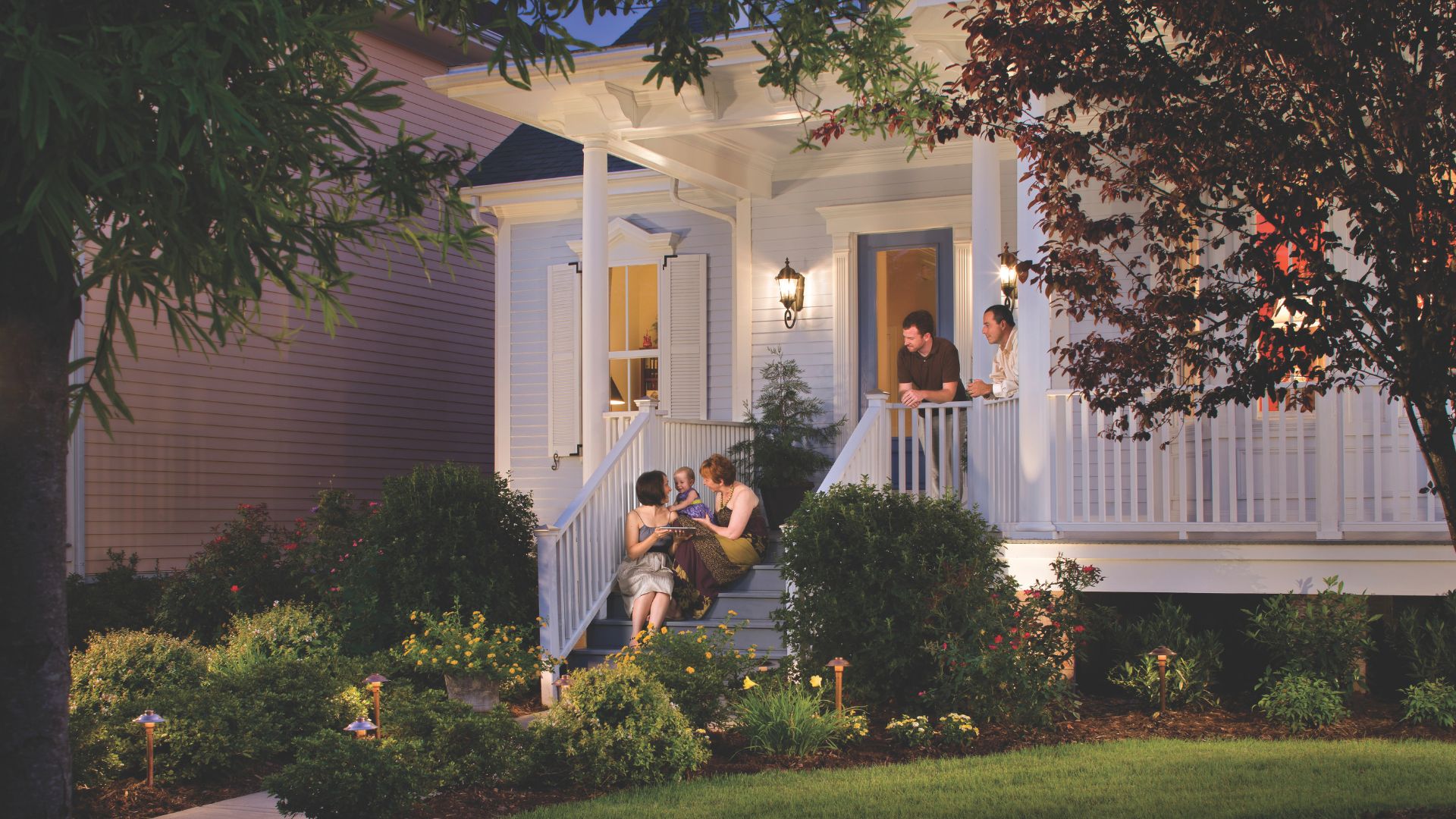
We start every project at Outdoor Lighting Perspectives of Lake Norman with a free consultation, plus a nighttime demonstration so you get to see the plan lit up on your own property before you agree to anything. Once installation wraps up, our Shine365 program covers a full year of maintenance, so you are not stuck figuring out a fix on your own if a fixture acts up down the road. Give us a call at (833) 590 8694 or fill out our easy online form and we will evaluate your property and what you have to work with.