

When it comes to landscape lighting and architectural lighting, there is one big difference: focus. Landscape lighting is meant to bring out the best qualities of outdoor features like trees and gardens, as well as pathways. Architectural lighting focuses on the building itself, including the facade, columns, walls, entryways, and other structural details.
Many Memphis properties look their best when the two work together. Understanding the difference is the first step to a design that feels cohesive.
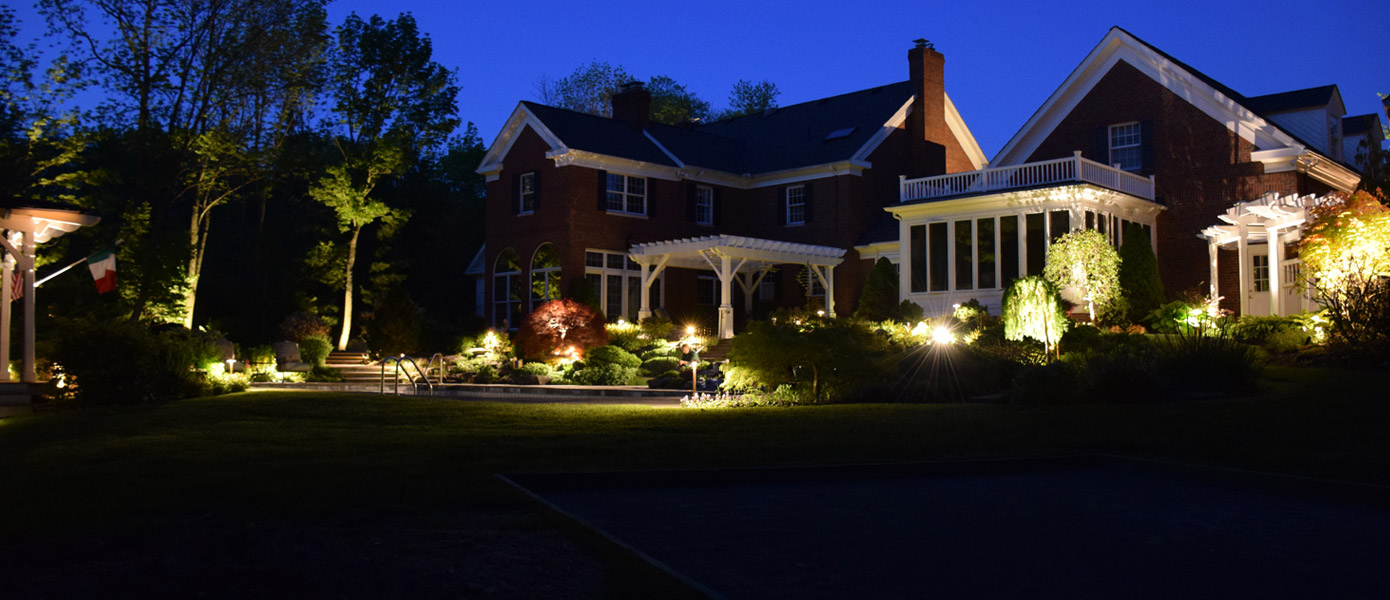
Landscape Lighting vs. Architectural Lighting at a Glance
Landscape Lighting | Architectural Lighting |
Trees | Home facade |
Gardens | Columns |
Planting beds | Walls |
Pathways | Entryways |
Shrubs | Rooflines and details |
Outdoor features | Architectural elements |
What Is Memphis Landscape Lighting?
Landscape lighting in Memphis is all about making your outdoor spaces look their best. Light is used to make trees look like sculpture and gardens look inviting. Lights can go around planting beds, pathways, and all kinds of other outdoor features you find enticing.
Examples of landscape lighting include uplighting on a mature shade tree and running low path lights along a walkway for both aesthetic and safety reasons.
What Is Memphis Architectural Lighting?
Architectural lighting in Memphis is used to make the home look its best. Lighting can highlight a front elevation, the texture of brick or stone, an entryway, or rooflines, bringing out elements that disappear once the sun sets.
You might illuminate the entry to highlight your front door. Grazing a stone facade is another technique that reveals natural texture. You can also light structural columns to emphasize the home's symmetry.
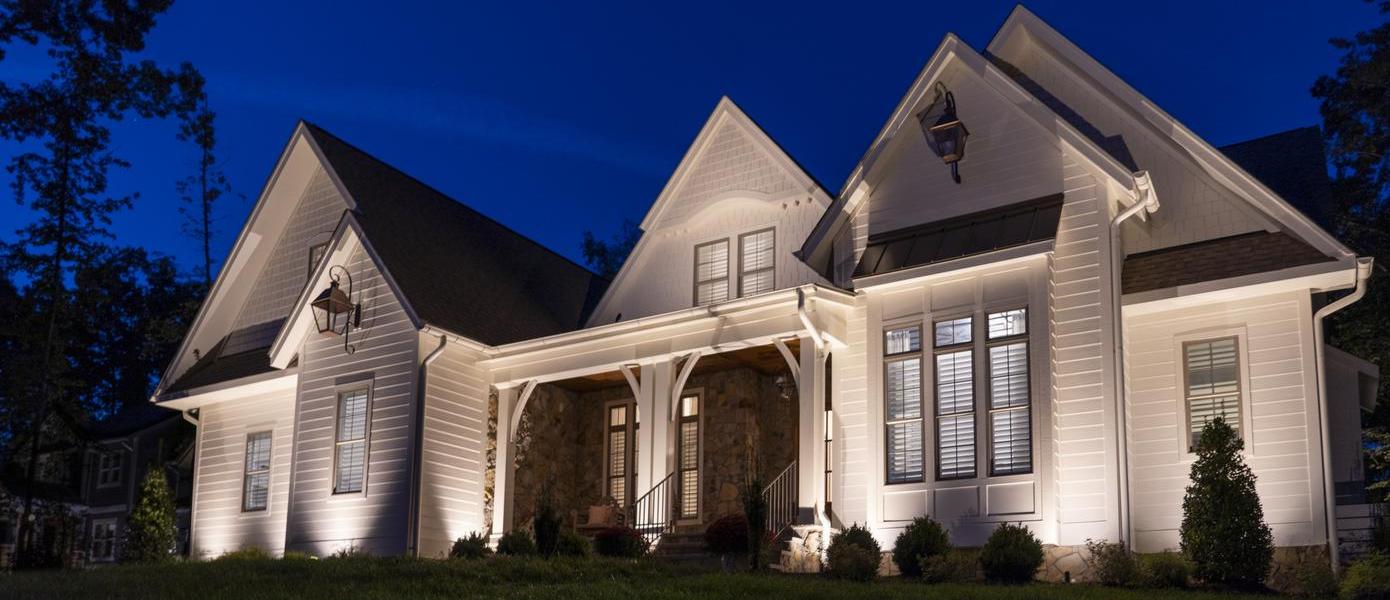
Can You Use Landscape Lighting & Architectural Lighting Together in Memphis?
You can use both landscape and architectural lighting to make a property feel more like a cohesive whole. Picture the eye moving from an illuminated facade to the entryway, down the walkway and out to trees and garden beds. That’s better than a bright house floating in a dark yard.
That’s not to say that every home needs both. Some benefit more from landscape lighting and others more from architectural lighting. But with both kinds of lighting, the goal is always to make the property look more like itself rather than washing it all away in light.
A professional lighting design consultation is a great way to see what would work for your home and all its particulars.
Looking for Landscape and Architectural Lighting in Memphis Near You?
Outdoor lighting is all Outdoor Lighting Perspectives of Memphis does. We look at the whole property as one nighttime environment, across Germantown, Collierville, and East Memphis, and design landscape lighting and architectural lighting that work together, starting from a complimentary after-dark consultation.
Call Outdoor Lighting Perspectives for outdoor lighting companies near me.
For experts in outdoor lighting design, installation, and maintenance, call one of the most trusted names in the business. Our team at Outdoor Lighting Perspectives of Memphis looks forward to speaking with you about your lighting needs. Call us today at (901) 446-0688.
Frequently Asked Questions
What is the difference between landscape lighting and architectural lighting?
Landscape lighting highlights outdoor features such as trees, gardens, pathways, and beds. Architectural lighting highlights the home's facade, columns, walls, entryways, and structural details.
Can landscape and architectural lighting be installed together?
Yes, and combining both creates a cohesive design that connects the home's architecture with its surrounding landscape.
Which is better, landscape lighting or architectural lighting?
Neither is universally better. The right choice depends on the property's architecture, landscaping, layout, and your goals.
How do I know which outdoor lighting my home needs?
A professional lighting consultation can identify which architectural and landscape features would benefit most from quality lighting.