

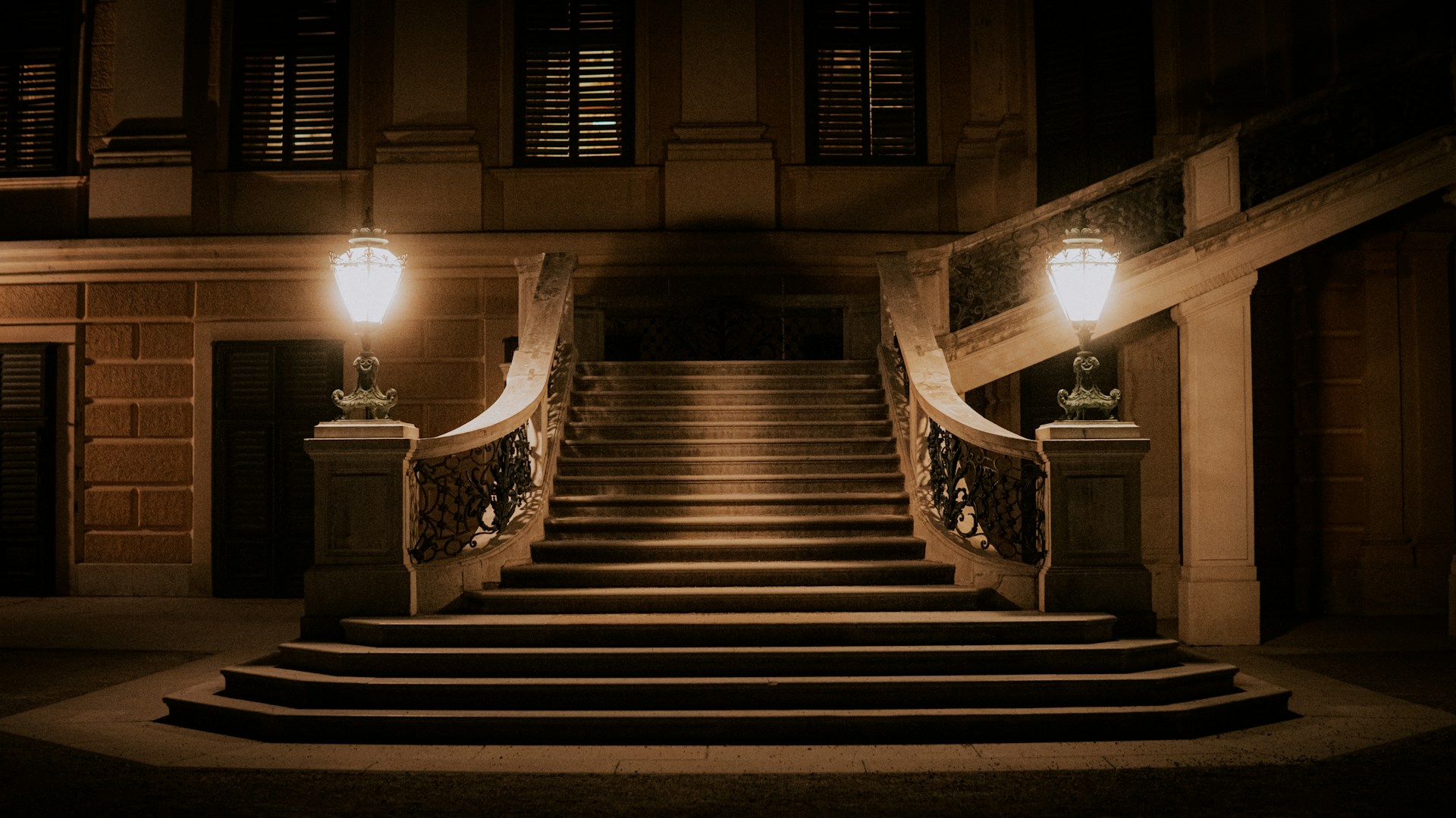
Safer Summer Nights on Every Step in Sandy Springs
Outdoor stairs can look fine in daylight but turn tricky after dark. Missed edges, deep shadows, or a single burned-out bulb can turn a simple set of steps into a real hazard, especially when friends and family are coming and going.
Good outdoor stair lighting in Sandy Springs, GA, is about more than looks. When it is planned and installed the right way, it can help guests see every tread, make your entry feel cared for, and discourage people from sneaking around dark corners. In this article, we will walk through how code goals, fixture mounting heights, and smart wiring choices all work together to keep your steps safer and your home looking its best.
What Sandy Springs Homeowners Should Know About Code
Stair lighting codes are built around life safety. The goal is simple: people should be able to see where they are placing their feet without being blinded by glare. That means clear tread edges, no sudden dark spots, and light that helps you read changes in height.
Most Sandy Springs homeowners follow the Georgia State Minimum Standard Codes along with any local amendments. While we are not offering legal or code advice, there are some common ideas that show up again and again:
- Each tread should be visible from top to bottom
- Light levels should be reasonably consistent along the full run of stairs
- Landings, small transitions, and turns should not be ignored
In practice, this often means:
- Avoiding bright “hot spots” and deep pools of shadow
- Making sure all walking surfaces on a stair route are lit, not just the middle steps
- Thinking about how the eye adjusts as you move from a bright porch to darker yard areas
Some stair setups are simple. Others are not. It is especially helpful to bring in a professional when you have:
- Multi-level decks with several runs of stairs
- Steep slopes, terraces, or retaining walls with built-in steps
- Public-facing stairs, rental properties, or areas that see frequent visitors
- Older electrical systems or a mix of new and existing lighting
A thoughtful design can respect code goals while still keeping your stairs warm and welcoming.
Ideal Stair Light Mounting Heights for Comfort and Safety
Where you place a stair light matters just as much as the type of light you choose. Mounting height affects how shadows fall, how bright the tread looks, and whether the light shines into someone’s eyes.
Common fixture types and general height ranges include:
- Recessed step lights in risers: usually mounted low in the riser, a few inches above the tread
- Under-tread strip lights: placed along the underside of each nosing so light washes the step below
- Post or railing lights: mounted around handrail height, often aimed downward to wash the steps
The goal with all of these is the same: wash light across the tread, not out toward faces. When the height is wrong, you get harsh glare or dark patches that make it hard to see depth.
Stair material plays a big role too, especially around Sandy Springs where we often see:
- Wood decks: Great for recessed riser lights or slim under-rail fixtures. Wiring can tuck behind risers or stringers.
- Brick front steps: Good candidates for small brick lights set into the riser joints or compact side-wall fixtures.
- Concrete or stone landscape steps: Often work well with under-cap lights on side walls or low-profile fixtures built into the hardscape.
A professional layout balances comfort and safety by:
- Staggering fixtures so the stairs are lit evenly without creating a “runway” look
- Adjusting aiming angles so beams skim the tread surface
- Tweaking spacing so each tread edge is clear but not overlit
The result is a staircase that feels calm and easy to walk, not harsh or overly bright.
Wiring Strategies That Stand up to Moisture and Humidity
Outdoor stair lighting in Sandy Springs, GA, has to deal with sticky summer humidity, surprise thunderstorms, and plenty of water from irrigation and pools. That means the wiring behind the lights needs just as much thought as the fixtures themselves.
For low-voltage systems, smart wiring choices often include:
- Running cables under treads or behind risers where they are shielded from direct rain and foot traffic
- Using connectors made for wet locations, not indoor-style splices
- Choosing the right wire gauge for the length of the run and total load
- Securing wires so they never sit where shoes, lawn tools, or furniture can snag them
It also matters that every part of the system is rated for where it lives:
- Wet-location rated fixtures for exposed stairs and open decks
- Damp-location components only where they are protected from direct spray
- In-ground rated fixtures for step lights set into hardscape or soil near stairs
Ground-fault protection and quality transformers help protect against shorts and help keep the system more reliable over time. Professional installation can reduce the chances of corrosion, accidental nicks, or hidden splices that fail later in the heat and moisture.
Design Tips for Beautiful, Code-Smart Summer Stair Lighting
Safety does not have to look harsh. With a little planning, stair lighting can blend right in with your home’s style and still support code goals.
Some helpful design ideas include:
- Choosing warm color temperatures for front entry steps so the light feels welcoming
- Using low-profile fixtures that highlight brick, stone, or wood grain without drawing attention to themselves
- Pairing stair lighting with nearby path or landscape lights so the entire walking route feels even and simple to follow
For spaces that see a lot of summer entertaining, it can be nice to add:
- Dimmable systems that let you turn the light down once everyone is settled
- Scenes that group stair, deck, and pool lighting together for one-tap control
- Timers or smart controls so lights come on automatically at dusk, even when you are away
Thoughtful planning also looks ahead:
- Leaving room in the design for future deck expansions or added seating areas
- Matching fixture finishes to railings, hardware, and trim colors
- Choosing LED options that are energy efficient and designed for our local climate
When stair lighting is planned this way, it feels like a natural part of the home instead of an afterthought.
Take the Next Step Toward Safer, Brighter Stairs
A simple way to start is to walk your property at dusk. Notice any steps that fade into darkness, any treads with sharp glare, or older fixtures that are no longer doing their job. Pay special attention to stairs that guests use, such as front entries, deck steps, and routes from the house to the yard.
Outdoor Lighting Perspectives of Atlanta designs, installs, and maintains outdoor lighting across the greater Atlanta area, including Sandy Springs. With careful attention to code goals, smart mounting heights, and moisture-ready wiring, stair systems can feel safer, look better, and serve your home well through many seasons of gatherings and quiet nights at home.
Get Started With Your Project Today
Bring added safety and style to your steps with professionally designed outdoor stair lighting in Sandy Springs, GA from Outdoor Lighting Perspectives of Atlanta. We will work with you to design a custom solution that highlights every step and landing so your family and guests can move confidently after dark. To talk through your ideas or schedule a design consultation, simply contact us and we will guide you through the next steps.