

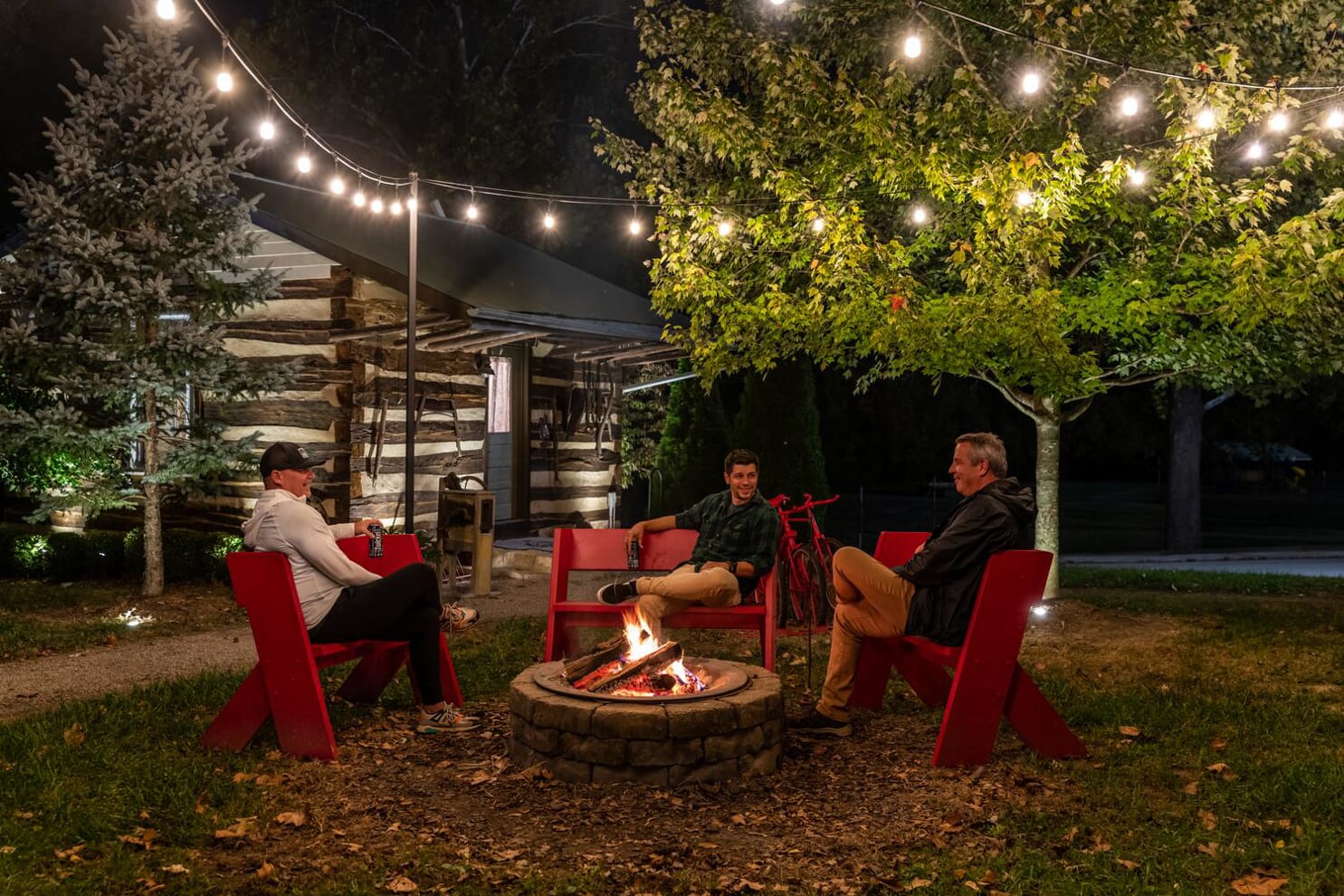
Light Your Outdoor Kitchen for Gatherings That Shine
Good outdoor kitchen lighting in Alpharetta, GA is about more than seeing what is on the grill. The right setup makes cooking safer, keeps guests comfortable, and lets the space look inviting long after the sun goes down. When the air is cooler and evenings feel too nice to waste, lighting often decides whether people stay outside or head in early.
We meet many homeowners who spent time picking appliances and stone but rushed the lighting plan. A few small missteps can leave the grill in the dark, the bar in a glare, and the seating area flat and dull. Here, we will walk through common design mistakes that sabotage outdoor kitchen lighting and share what works better so your space feels warm, useful, and beautiful in every season.
Overlooking Task Lighting Where You Need It Most
One of the biggest problems we see is outdoor kitchens that look pretty from a distance but are hard to cook in at night. Accent lights glow on the walls or the landscaping, but the grill and prep counters sit in shadow. That is when people start using phone flashlights, which is not safe or comfortable.
Underlit work zones can lead to:
Hard-to-see cutting boards and knife edges
Trouble checking if meat is fully cooked
More risk of burns at the grill or side burner
Guests bumping into dark bar tops or sink areas
Task lighting should be bright, focused, and planned around how you actually move in the space. Good placement matters as much as the fixture itself. Lights should come from above and slightly in front of the person cooking, not from behind. When light hits from the wrong angle, your own body creates deep shadows on the grill or counter.
Smart options for strong, comfortable task lighting include:
Dimmable LED downlights mounted in pergolas or overhead structures
Under-cabinet LED strips along the bottom of upper cabinets or shelves
Discreet fixtures built to handle heat, grease, and outdoor moisture
Separate switches or zones so you can control cooking lights on their own
When task lighting is planned first, then blended with the rest of the design, the outdoor kitchen feels like a real, workable room instead of a dark corner with nice stonework.
Creating Harsh Glare and Uncomfortable Hotspots
On the other side of the spectrum, some outdoor kitchens are simply too bright in all the wrong ways. Glare happens when you have unshielded bulbs shining straight into your eyes. Hotspots show up as small areas that are blindingly bright while everything around them feels dark.
Common causes of glare and hotspots include:
Bare bulbs at eye level along walls or posts
Floodlights aimed directly at seating or the grill
Security lights that spill into the dining area
Shiny countertops with a strong beam pointed right at them
Glare does more than make people squint. It can flatten depth on steps and edges so it is harder to see where one surface ends and another begins. That can make your outdoor kitchen feel unsafe, especially around stairs, raised patios or pool edges.
To reduce glare and create a softer, more flattering glow, we like to use:
Shielded fixtures that hide the bulb from direct view
Indirect lighting that bounces off ceilings, beams or walls
Wider beam spreads instead of tight, harsh spots
Dimming controls so you can soften the light once cooking is done
With the right aim and shields, you can still have plenty of light to see clearly, but your guests will not feel like they are sitting under a spotlight.
Ignoring Zones and Layers in Your Lighting Design
An outdoor kitchen has many different areas that serve different purposes. Treating the whole space like one big zone is a fast way to end up with flat, boring light. When every bulb is on the same switch and all at the same level, you lose depth and mood.
Think about your space in zones, such as:
Grill and cooking area
Prep and serving counters
Bar or drink station
Dining table
Lounge or fire feature area
Each zone needs its own type of light. Layering is the trick to making that work. You want a mix of ambient, task and accent lighting so you can shift the feel based on what is happening, from a quick weeknight meal to a long weekend get-together.
A layered outdoor kitchen might include:
Soft path lights guiding people between the house, kitchen and yard
Strong overhead task lighting just at the grill and prep areas
Under-counter or toe-kick lights that float the cabinets and bar off the ground
Accent lights on nearby trees, stone walls or water features to frame the scene
When zones and layers are planned together, you can brighten the cooking area while keeping the lounge soft and cozy, or dim everything for a relaxed late-night chat.
Forgetting Seasonal Use and Smart Controls
Outdoor kitchen lighting in Alpharetta, GA has to keep up with changing seasons. Early sunsets, long summer evenings, cloudy days, and last-minute gatherings all play a role. A static setup that only works on clear summer nights will let you down when schedules and daylight shift.
One common mistake is installing only non-dimmable fixtures on a single switch. In deep darkness, that can feel harsh and overwhelming. On bright evenings, it can feel useless. Instead, build in controls that give you options.
Helpful control strategies include:
Dimmers for key zones like task lighting and seating areas
Separate switches for grill, bar, dining and landscape accents
Timers or smart controls that adjust for earlier sunsets
Long-lasting, energy-efficient LED fixtures suited for outdoor use
Alpharetta weather brings humidity, temperature swings and sudden showers. Outdoor-rated materials and sealed fixtures stand up better to these changes so your lighting keeps working when you want to use your kitchen the most, including during busy fall weekends and spring gatherings.
Treating Outdoor Kitchen Lighting as an Afterthought
Many outdoor kitchens start with the fun pieces: grill, pizza oven, countertops, tile and furniture. Lighting often gets pushed to the end, squeezed into whatever space and power is left. That is how you end up with exposed conduit on stone, strange switch locations or dark spots that are hard to fix later.
Late-stage lighting decisions can cause:
Few options for hiding wires inside walls, columns or built structures
Awkward fixture placement that does not match how people move or sit
Missed chances for built-in under-counter or in-masonry lights
Control panels stuck in inconvenient or unattractive spots
The best outdoor kitchen lighting plans are part of the first conversation, not the last. It helps when your lighting designer, builder, landscaper, and hardscape contractor work together. Then power runs, junction boxes and mounting points are placed on purpose, not guessed at after the stone is set.
Working with a professional outdoor lighting designer in Alpharetta who focuses on nighttime use can make a big difference. A good plan respects both electrical needs and how the space will actually feel after dark, so your outdoor kitchen lives up to the investment you made in it.
Get Started With Your Outdoor Kitchen Lighting Project Today
Bring your evenings to life with our custom-designed outdoor kitchen lighting in Alpharetta, GA that blends beauty, safety, and functionality. At Outdoor Lighting Perspectives of Atlanta, we work closely with you to create a lighting plan that fits how you cook, dine, and entertain outside. If you are ready to explore ideas or schedule a design consultation, simply contact us and we will help you take the next step.