

The difference comes down to materials and installation. Professional-grade fixtures are solid brass and copper set by a low-voltage specialist who sizes the system and aims each light.
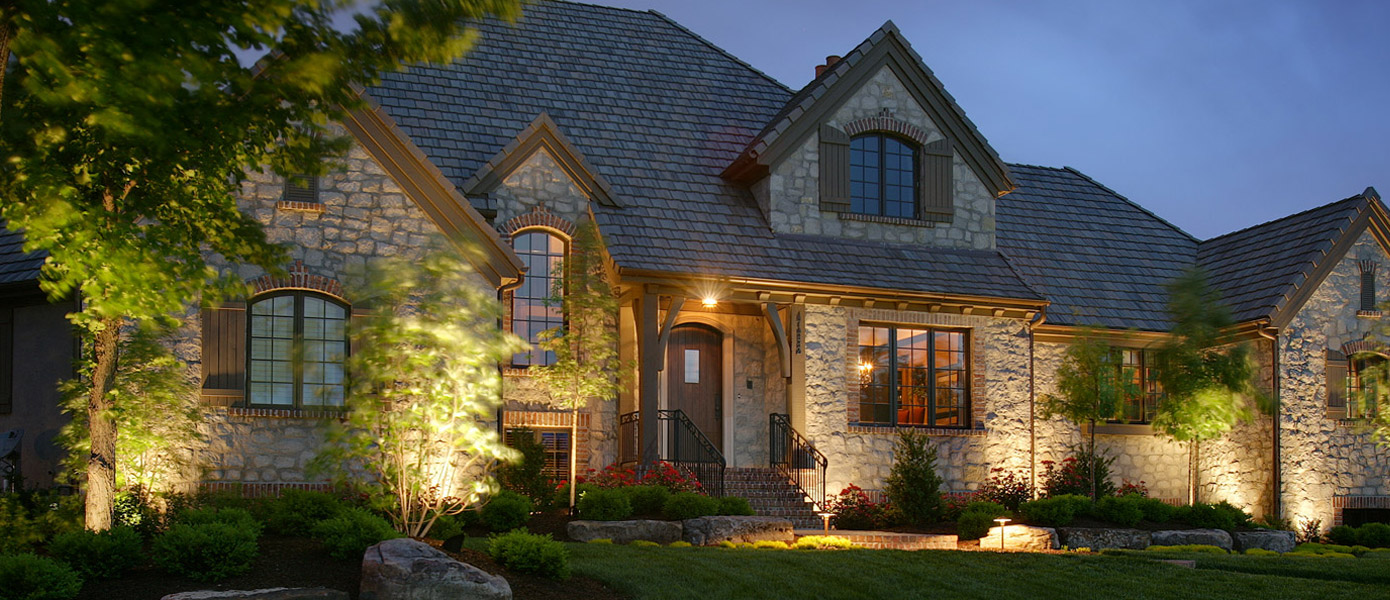
Path lights from the big-box store are not expensive. But when it’s cloudy outside, they don’t tend to shine, and after one or two Ohio winters, they’re often left leaning sideways. The gap between professional-grade and store-bought lighting comes down to three factors: what the fixtures are made of, who installs them, and how much thought goes into how each one is used.
Start with the metal. Professional fixtures are usually solid brass or copper, which shrug off corrosion and hold up for years. The aluminum and plastic parts common in DIY kits often fade, crack, and cloud over as soon as they face harsh freeze-and-thaw cycles. Investing in the right materials from the start is the best way to ensure your system still looks beautiful five years down the road.
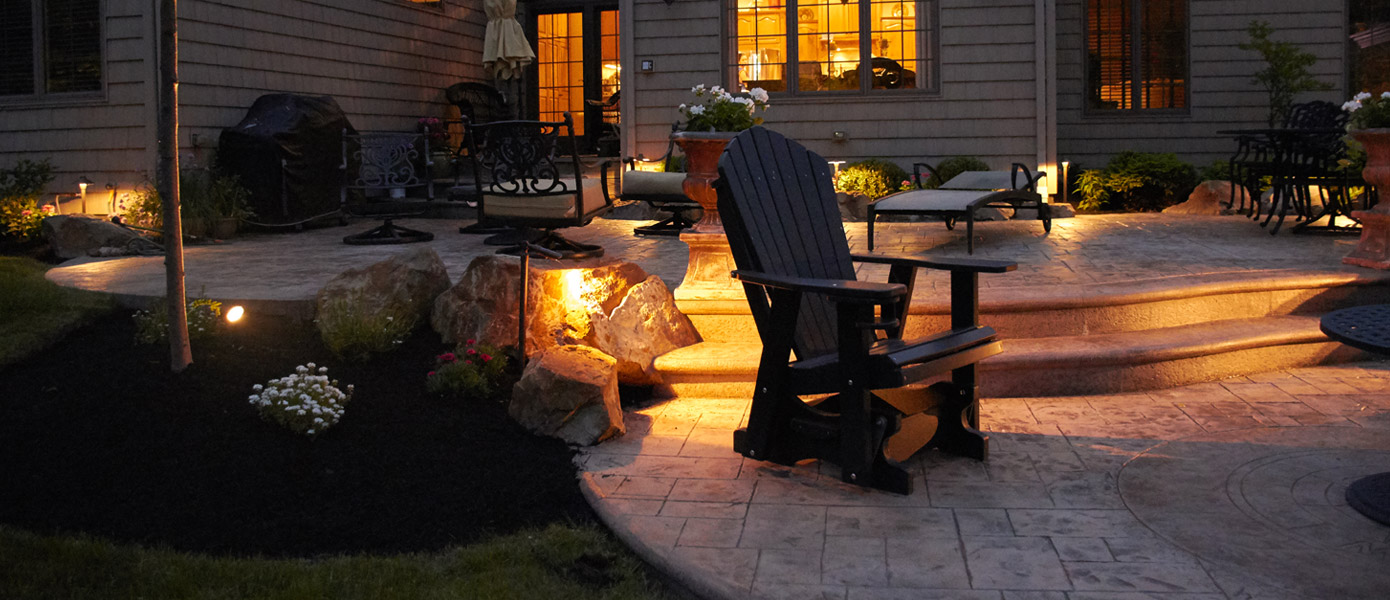
Also very important is the installation process. Low-voltage lighting is not the same as general electrical work or landscaping. It’s easy to do wrong. Sizing the transformer correctly and balancing the voltage across the run keeps every fixture at its intended brightness. Mistakes here can lead to fixtures that dim at the far edges of a lighting display. Likewise, connectors need to be sealed and waterproofed with wire buried so it’s not exposed. Without care and attention, this leads to corrosion failures. These are common in DIY jobs.
Then there’s placement. Specialists know how to aim fixtures. They know which color temperatures will flatter your property. And they know how to layer light so it feels intentional. This helps you avoid overlighting, glare, voltage drops, and light shining where it shouldn’t.
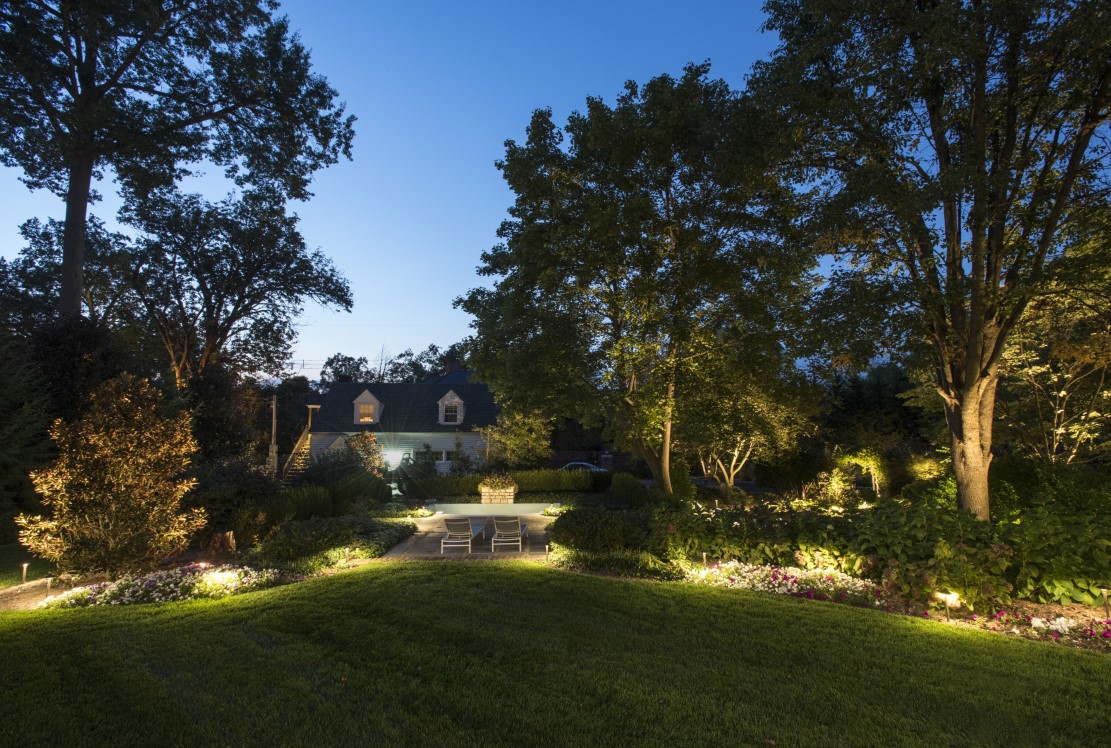
Outdoor Lighting Perspectives works exclusively on outdoor lighting. It’s their sole focus. If you would like to learn more about lighting your property, you can request a complimentary design consultation or call (440) 336-8650.